
Potomac Interceptor Spill Information
Stay Informed!
WaveOne shares your concerns about the health of the Potomac River and the spill that occurred in January. We love swimming in the Potomac which is why we are working with the agencies that monitor its health and viability. Although we feel the pain of the spill, we assess the data with which to take sound decisions to swim or not. That’s how we have conducted our swims since 2009. The current data clearly show the resilience and viability of the Potomac for swimming. See the data and other information below. Join us again this summer. SWIM HERE
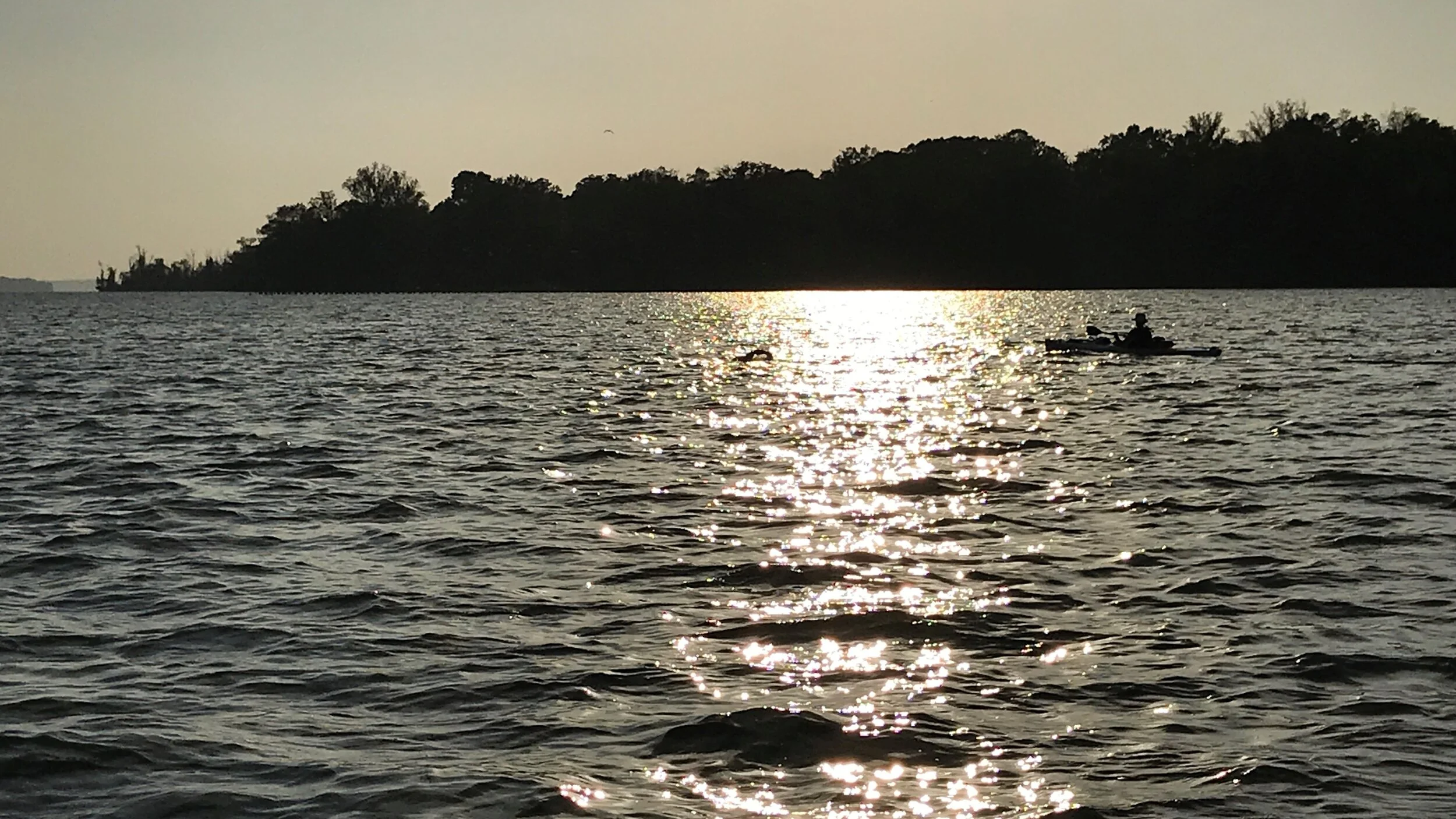
Summary - Yes the river is swimmable!
On January 19, 2026, a section of the Potomac Interceptor sewer line collapsed near the Clara Barton Parkway in Montgomery County, MD, releasing untreated sewage into the Potomac River. Discharge into the river was remedied by February 8 and the repairs were completed on March 14, 2026. Since Feb 25, the Potomac River returned to normal E.coli readings at swimmable standards. Multiple government agencies continue to coordinate on environmental monitoring.
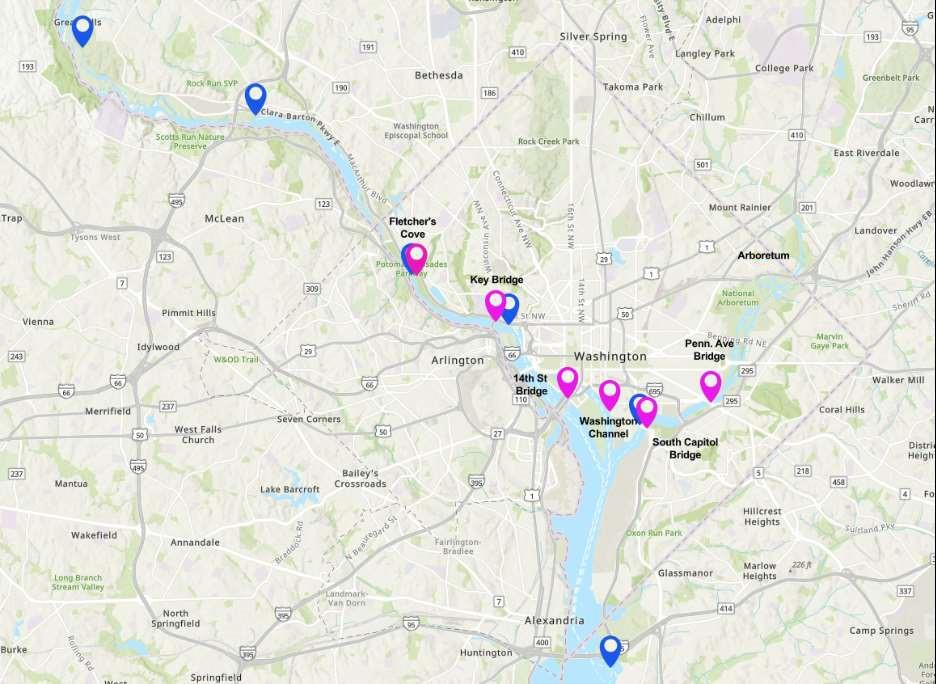
DOEE: Leading information source
E. coli sample, in MPN/100 mL, collected at: National Harbor site on May 21, 2026 by Potomac River Keeper w/UMD:
14 (410 and below is the swimmable standard established by EPA)
E. coli sample, in MPN/100 mL, collected at the So Capital St site on May 21, 2026 by DOEE:
98 (410 and below is the swimmable standard established by EPA)
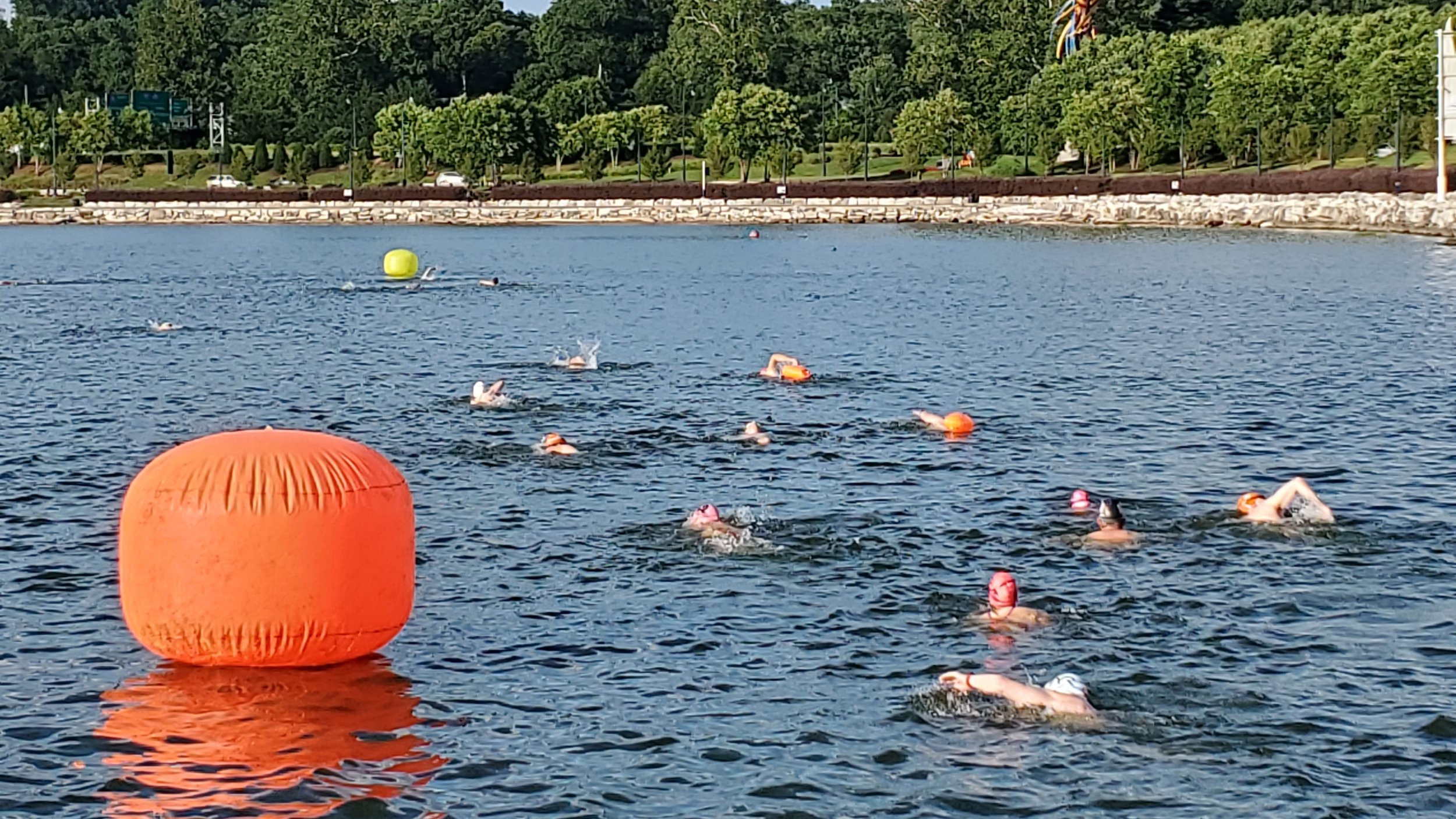
National Harbor
#1 Open Water Swimming spot in the DC Metro region!
National Harbor consistently ranks #1 for swimmable areas along the Potomac River as monitored by data from DOEE and the Potomac Riverkeeper network. WaveOne calls National Harbor home since 2009 with over 25,000 swimmers attending practice swims, clinics and races. Our experience and relationships with environmental agencies and organizations keep us informed to provide the best swimming experience possible.

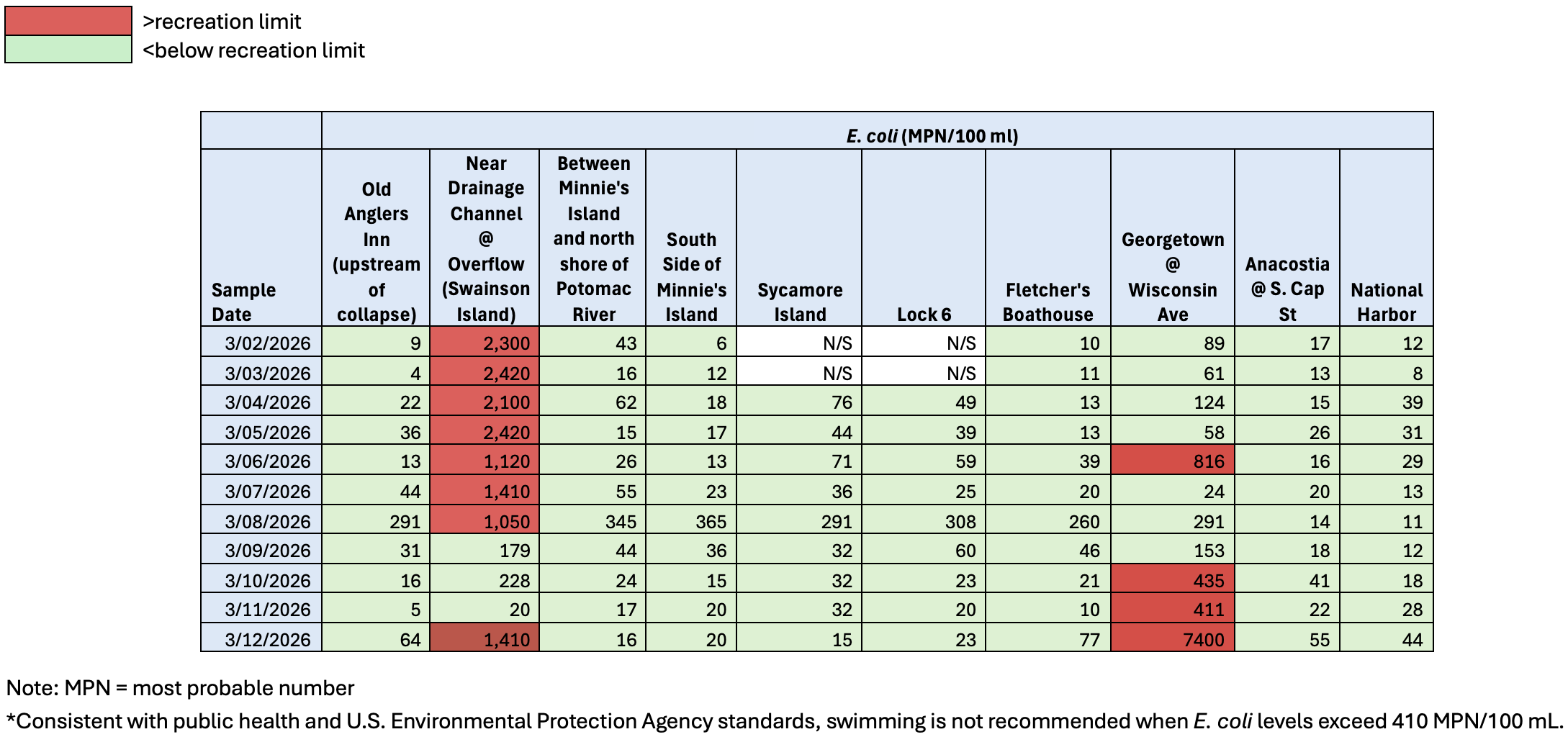
Table showing E.coli readings since February from Maryland Department of the Environment. Note: we sustained heavy rains March 17-19. Click on table for full information.
Headlines Ignores the Data: Get the Facts
When it comes to areas of health, data is more important than clicks.
The Potomac at Little Falls flow rate average 11,498 cu ft/s (1931–2018) or 7,431,350,400 gallons per day. The mean flow rate was 7990 cubic ft/s based on the flow rate of April 2, 2026.
The spill cleared The Wilson Bridge/National Harbor within approximately 2-3 days
The River from Georgetown to the mouth is about 570 billion gallons (approx.) which means that the spill cleared the mouth of the Potomac in 76 days or approximately April 26.
Agencies on all sides of the Potomac continue to monitor critical readings that impact recreation on the river. We will continue to post information as it comes available. Stay informed!
Potomac Interceptor Account, Timeline & FAQ
DC Water Interceptor Repair Updates - Go Here
On Monday, January 19, 2026, a section of a 72” diameter sewer line collapsed near the Clara Barton Parkway in Montgomery County, Maryland. The sewer line, called the Potomac Interceptor, carries up to 60 million gallons of wastewater daily from Virginia and Maryland to Blue Plains Advanced Wastewater Treatment Plant. A total of approximately 300 million gallons of untreated sewage was released into the Potomac River. The average natural daily water flow of the river is approximately 7.4 billion gallons each day.
The spill was contained within 3 days and all discharges were prevented by February 9. The repairs to the Interceptor line were completed on March 14, 2026. Multiple government agencies continue to coordinate environmental monitoring. This dashboard consolidates E. coli testing from DC Water, DC Department of Energy & Environment (DOEE) with U.S. EPA, Maryland Department of the Environment (MDE), Virginia Department of Environmental Quality (VADEQ), and the Potomac Riverkeeper Network with University of Maryland (UMD).
Who is Responsible and What's Being Done?
The District of Columbia Water and Sewer Authority (DC Water) is a public utility responsible for water and sewage in the District of Columbia. DC Water is currently working on measures to contain the spill and repair the pipeline.
The DC Department of Energy and Environment (DOEE) is the DC Government agency responsible for environmental and energy programs in the District of Columbia. DOEE is working to monitor impacts from this spill in the District, and will also monitor the long-term impacts to fish, wildlife, and the river. WaveOne has worked closely with DOEE in assessing water quality since 2020 when we structured the DC Marathon Swim, a 21 mile swim from Flecther’s Cove to Mt Vernon.
The DC Department of Health (DOH) tracks the E. Coli levels and issues alerts to the public when appropriate and necessary.
Right now, local, state, and federal agencies are working collaboratively to monitor the progress of repairs and impacts on the downstream community.
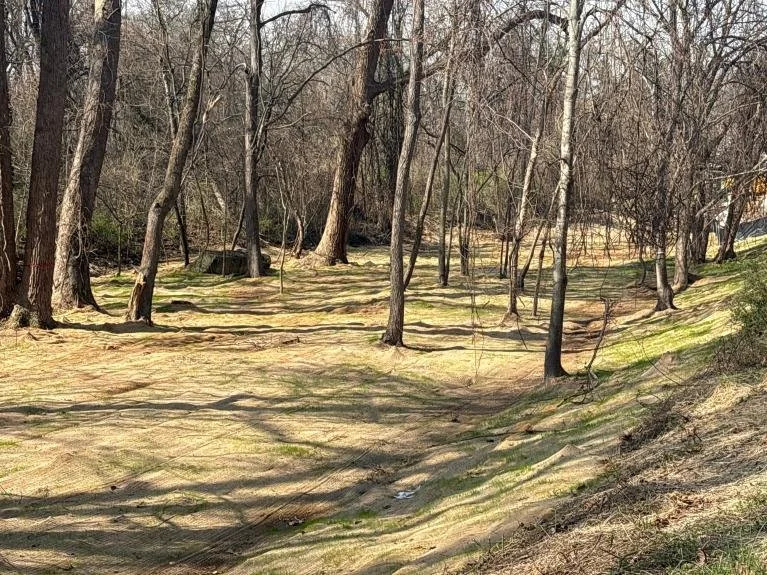
DC Water, in coordination with the Environmental Protection Agency, is evaluating soil samples from areas directly impacted by the Potomac Interceptor overflows, where the initial clean-up is complete. This includes the drainage channel along Clara Barton Parkway, Rock Run Culvert (Culvert 12), and the unnamed tributary to the Potomac River.
What do these sample values mean?
⬤ 410 MPN/100 mL: An EPA recommended threshold for assessing recreational water quality. Values above this threshold may pose increased health risks when swimming.
⬤ 1,532 MPN/100 mL: Values at or above this level are high relative to baseline conditions on the Potomac. This value represents two standard deviations above the 15-year historical mean based on DOEE monitoring data (Jan 2011–Feb 2026), reflecting 93.4% of measurements.

Potomac River buoy approximately 18 miles south from Fletcher’s Cove.
What Do the Latest Water Monitoring Results Show?
DOEE’s water quality monitoring team is collecting weekly samples from the Potomac and Anacostia rivers. Results from these samples are posted here. DOEE will be conducting weekly sampling, posted on Fridays. (WaveOne has links and updates above)
In addition to DOEE’s results, DC Water is conducting daily testing at several sites in the Potomac, with their results posted here: News | DC Water.
Linked here (see table) are ongoing testing results from DC Water, Potomac Riverkeeper, and DOEE, along with the locations of the testing sites.
What is the Natural Flow of the River? Will it Clean Itself?
Long-term impacts are still being evaluated. However, the natural flow of the river will help to mitigate impacts from the spill over time.
Water Quality: The volume of water in the Potomac River is large and it moves swiftly past the District, being refreshed with cleaner water from upriver. The spill was around five miles upstream, and the last reported overflow was February 9th. The water polluted by the Potomac Interceptor break was quickly diluted by the large volume of clean Potomac River water and has now moved far downstream of the District.
Sediment: The natural flow will help to renew shoreline and river bottom sediments. DOEE will continue to monitor potential impacts.
Fish: DOEE has not received any reports of fish kills in the District. Anglers and the general public who observe a fish kill (50 or more dead fish floating on the surface of the water), should contact DOEE’s Fisheries and Wildlife Division at (202) 535-2260 with the following information: exact location of the floating fish and date, time, and the extent of the fish kill observed. DOEE biologists will monitor fish populations across the District throughout the spring, summer, and fall as a part of our regular fisheries surveys.
Wildlife: DOEE and its partners have not received any reports of sick, injured, or dead wildlife associated with areas in the District downstream from the spill. Members of the public who observe sick or injured wildlife should call City Wildlife at (202) 882-1000 (between 9 am - 5 pm daily) or Brandywine Valley SPCA at (202) 888-7387 (after 5 pm). Members of the public should report dead wildlife to DOEE’s Fisheries and Wildlife Division at (202) 535-2260 with the following information: exact location of the dead wildlife and date, time, and number of animals observed. DOEE biologists will monitor wildlife populations across the District throughout the spring, summer, and fall as a part of our regular wildlife surveys.
Use the following buttons to learn the latest progress and status of the Potomac River :